Loaded Shrimp Ramen Soup
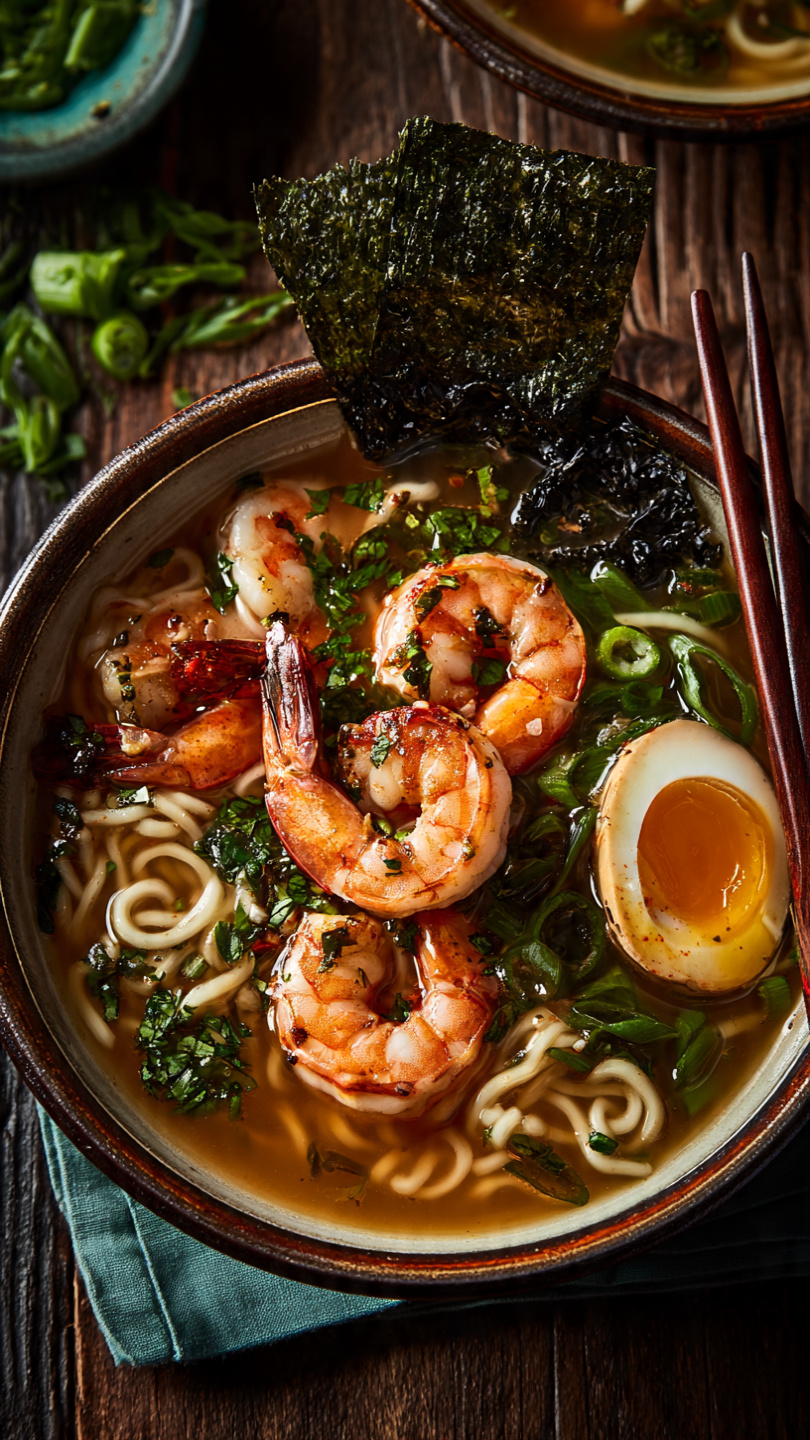
This Loaded Shrimp Ramen Soup is a rich, slurp-worthy bowl packed with plump shrimp, silky noodles, and a deeply savory broth that comes together in under 40 minutes.

The Ramen Bowl You Will Make on Repeat
There is something almost magical about a great bowl of ramen. The steam rising off the surface, the glossy broth, the perfectly cooked noodles, and those toppings piled high like a little edible skyline. This Loaded Shrimp Ramen Soup delivers all of that in under 40 minutes, no ramen shop required.
This is the kind of shrimp ramen recipe that feels like a restaurant meal on a Tuesday night. The broth is built on a base of chicken stock deepened with miso paste, soy sauce, toasted sesame oil, and a kick of chili garlic heat. Plump, juicy shrimp go in at the very end so they stay tender and sweet. Soft-boiled eggs, bok choy, sweet corn, and green onions round out the bowl into something genuinely spectacular.
Whether you are exploring ramen noodle recipes for the first time or you are a seasoned home cook looking for a quick and satisfying ramen dinner, this recipe is going to earn a permanent spot in your rotation.
Why This Shrimp Ramen Works So Well
A lot of ramen soup recipes rely on hours of simmering bones to develop flavor. This one takes a smarter shortcut. By layering aromatics like garlic and fresh ginger, dissolving umami-rich miso paste directly into the hot broth, and finishing with sesame oil, you build a broth that tastes like it simmered all day.
The shrimp are the other key. They cook in literally 2 to 3 minutes, which means they go in last, right before you serve. This keeps them plump and snappy instead of rubbery, which is the most common mistake in shrimp soup recipes.
Here is what makes this bowl so craveable:
- Bold, layered broth from miso, soy, ginger, garlic, and sesame
- Perfectly cooked shrimp that stay juicy and tender
- A jammy soft-boiled egg that melts into every bite
- Bok choy and corn for texture, freshness, and a little sweetness
- Ready in about 40 minutes from start to finish
Chef's Tip: Dissolve your miso paste in a ladleful of hot broth before adding it to the pot. Adding miso paste directly to boiling liquid can destroy some of its delicate flavor compounds. This small step makes a real difference in the final taste.
The Tools and Ingredients That Make It Shine
For a recipe this streamlined, quality ingredients carry a lot of the weight. A good white or yellow miso paste, a decent toasted sesame oil, and properly thawed shrimp are the three things worth paying attention to. Cheap sesame oil in particular can taste flat or even bitter, so it is worth seeking out a good bottle.
Having a large, heavy-bottomed pot like a Dutch oven also makes a big difference. It holds heat evenly so your broth simmers gently without hot spots that could toughen the shrimp.
Tips for the Best Shrimp Ramen Soup
Use fresh or properly thawed shrimp. If you are using frozen shrimp (which is perfectly fine and often fresher than the seafood counter), thaw them overnight in the fridge or in a bowl of cold water for about 20 minutes. Pat them dry before they go into the pot so they do not water down your broth.
Do not overcook the shrimp. This is the single most important thing. The moment they turn pink and curl into a loose C-shape, they are done. An overcooked shrimp curls into a tight O and turns rubbery. Pull them off the heat right away.
Taste and adjust your broth. Every brand of miso and soy sauce has a different salt level. Taste the broth before adding the noodles and shrimp, and adjust with a splash more soy sauce, a pinch of salt, or a little more chili garlic sauce to suit your preference.
Cook noodles right in the broth. It adds body and a subtle starchiness that makes the broth cling to every noodle. If you are making this soup ahead of time, cook the noodles separately and add them to bowls at serving time to prevent them from soaking up all the broth.
Storage Tip: Leftover noodles will absorb the broth and become soft overnight. Store the broth and noodles in separate containers and recombine when reheating for the best texture.
Customize Your Bowl
One of the best things about shrimp ramen is how easily it adapts. Here are a few ideas to make it your own:
- Add mushrooms. Sliced shiitake or cremini mushrooms sauteed in a bit of butter before adding the broth add deep, earthy flavor.
- Make it spicier. A drizzle of chili crisp or a spoonful of gochujang stirred into the broth takes the heat to another level.
- Go vegetarian. Swap the chicken broth for a good vegetable broth and substitute tofu or edamame for the shrimp.
- Top it differently. Bamboo shoots, bean sprouts, sliced fish cake, or a drizzle of tahini all work beautifully here.
This recipe is the foundation of a great Asian soup experience at home, and the toppings are where you get to make it truly yours.
Ready to build your perfect bowl? Here is everything you need:
Loaded Shrimp Ramen Soup
This Loaded Shrimp Ramen Soup is a rich, slurp-worthy bowl packed with plump shrimp, silky noodles, and a deeply savory broth that comes together in under 40 minutes.
Ingredients
- 1 lb large shrimp, peeled and deveined, fresh or thawed from frozen, tails removed
- 4 oz ramen noodles, dried, discard seasoning packets
- 6 cups chicken broth, low-sodium preferred
- 1 tbsp sesame oil, toasted
- 1 tbsp vegetable oil
- 4 garlic cloves, minced
- 1 tbsp fresh ginger, grated, peeled
- 3 tbsp soy sauce, low-sodium
- 2 tbsp miso paste, white or yellow miso
- 1 tbsp chili garlic sauce, adjust to taste
- 2 baby bok choy, halved lengthwise, rinsed well
- 4 large eggs, soft-boiled and halved
- 4 green onions, thinly sliced
- 1/2 cup corn kernels, fresh, canned, or thawed from frozen
- 4 nori sheets, for serving, optional
- 1 tsp sesame seeds, toasted, for garnish
Instruction
Bring a medium pot of water to a boil. Gently lower in the eggs and cook for exactly 7 minutes for a jammy, soft-boiled yolk. Transfer immediately to an ice bath, peel when cool, and set aside.
In a large pot or Dutch oven, heat the vegetable oil over medium heat. Add the minced garlic and grated ginger and cook, stirring constantly, for about 90 seconds until fragrant and just golden.
Pour in the chicken broth and bring to a gentle simmer over medium-high heat. Stir in the soy sauce, chili garlic sauce, and sesame oil.
Ladle about half a cup of the hot broth into a small bowl. Add the miso paste to that bowl and whisk until fully dissolved, then pour the miso mixture back into the pot. This prevents the miso from clumping.
Add the bok choy halves to the simmering broth and cook for 2 to 3 minutes until the leaves are wilted and the stems are just tender.
Add the corn kernels and ramen noodles to the pot. Cook according to the noodle package directions, usually 2 to 3 minutes, stirring occasionally to separate the noodles.
Add the shrimp to the pot and cook for 2 to 3 minutes, just until they turn pink and curl. Do not overcook. Remove the pot from heat immediately.
Divide the soup evenly among four bowls. Top each bowl with a halved soft-boiled egg, sliced green onions, sesame seeds, and a sheet of nori on the side. Serve immediately.
Equipment
- Large pot or Dutch oven (at least 6-quart)
- Medium saucepan (for soft-boiled eggs)
- Small bowl (for dissolving miso)
- Fine grater or microplane (for ginger)
- Ladle
- Tongs
- Ice bath bowl
Notes
Serving and Storing Your Shrimp Ramen
Serve this ramen soup immediately after ladling it into bowls. Ramen waits for no one. The noodles are at their best in the first few minutes, the egg is still warm, and the broth is at peak flavor right off the stove.
For garnishes, set out sliced green onions, sesame seeds, nori sheets, a bottle of chili oil, and extra chili garlic sauce so everyone can customize their own bowl at the table. It turns dinner into a little bit of an experience.
If you have leftovers, refrigerate the broth and noodles separately for up to 3 days. Reheat the broth gently on the stovetop and add noodles and any leftover shrimp just long enough to warm through. The flavors actually deepen overnight, making the next-day broth even better than the first.
Whether this is your first time making ramen soup recipes at home or you are already a converted ramen obsessive, this Loaded Shrimp Ramen Soup is the bowl that proves homemade ramen is not only possible but genuinely better than takeout.